How Central Coast Weather And Driving Habits Affect Your Car Battery’s Lifespan
Few drivers think about their car battery until the engine refuses to start. One day the vehicle runs smoothly, and the next it struggles to turn over. While batteries naturally wear over time, climate and driving habits can accelerate that process.
Warm temperatures, coastal air and everyday traffic patterns all influence battery performance. Short trips, heavy electrical use and extended periods of inactivity can gradually reduce capacity. Understanding these influences makes it easier to recognise early warning signs and plan ahead.
This article explores how environmental conditions and common driving routines on the Central Coast affect battery lifespan, along with practical steps to help reduce premature wear.
Heat places steady pressure on your car battery year-round.
Warm conditions can place ongoing strain on automotive batteries. Heat speeds up chemical reactions inside the battery, which may initially improve starting power but gradually shortens overall lifespan.
Over time, elevated temperatures contribute to fluid evaporation and internal component breakdown. Even when a vehicle is parked, heat continues to affect battery chemistry.
Unlike colder climates where starting power drops in winter, consistently warm regions can experience reduced battery life throughout the year. Drivers may not notice immediate symptoms, but capacity can decline more quickly than expected.
Monitoring battery age and condition becomes especially important in areas where high temperatures are common.
Coastal air can quietly affect battery terminals and connections.
Salt carried in coastal air can contribute to corrosion around battery terminals and cable connections. Moisture combined with salt particles may create build-up that interferes with electrical flow.
Common signs of corrosion include:
- white or bluish residue around terminals
- difficulty starting despite a relatively new battery
- intermittent electrical issues
- visible rust on nearby metal components
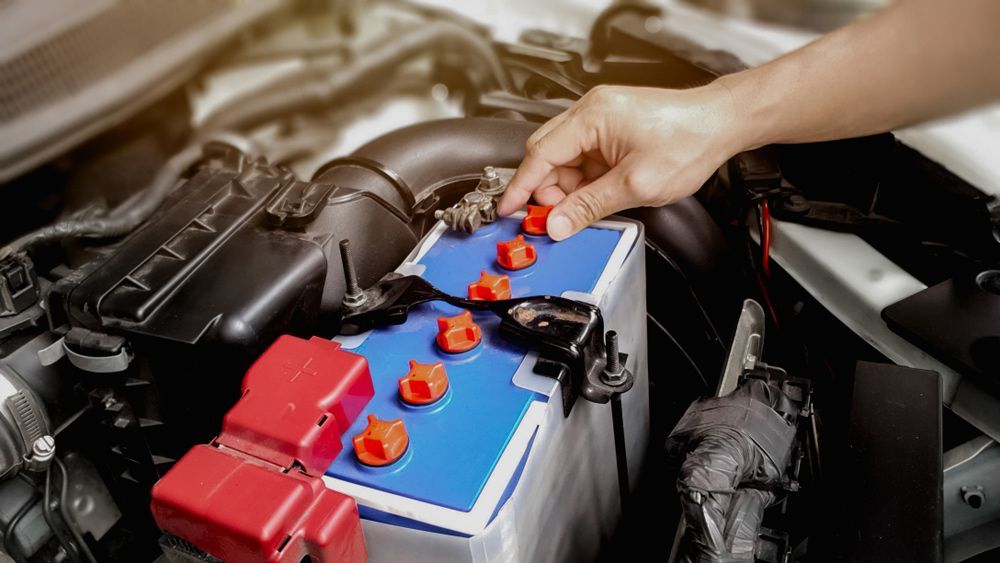
Regular inspection of terminals can help identify early corrosion. Cleaning and secure connections support consistent performance. In coastal environments, paying attention to these small details can extend usable battery life.
Short trips prevent your battery from fully recharging.
Each time a vehicle starts, the battery provides a surge of energy. The alternator then recharges the battery while the engine runs. When trips are very short, the battery may not have enough time to recover the energy used during start-up.
Repeated short drives can lead to gradual undercharging. Over weeks or months, this pattern reduces overall capacity. Drivers who primarily complete brief errands or commute short distances may notice batteries wearing out sooner than expected.
Occasionally taking the vehicle on a longer drive allows the
charging system to restore energy levels more fully. Awareness of driving patterns helps explain why battery lifespan varies between drivers.
Stop-start traffic increases electrical demand.
Modern vehicles rely on numerous electronic systems that draw power continuously. In heavy traffic, engines idle frequently and may operate start-stop technology, increasing demand on the battery.
Common electrical loads include:
- air conditioning systems
- infotainment screens
- headlights and brake lights
- phone charging ports
- onboard safety systems
Prolonged congestion means the battery works harder while receiving less consistent
charging. Over time, this cycle can contribute to earlier decline, particularly in vehicles with high electrical usage.
Infrequent driving can lead to gradual discharge.
Vehicles left unused for extended periods experience natural battery discharge. Even when the engine is off, systems such as alarms and clocks draw small amounts of power.
If a car sits for weeks without being started, voltage can drop below optimal levels. Repeated deep discharge may reduce battery capacity permanently.
Drivers who work remotely or travel frequently may encounter this issue. Using a maintenance charger or periodically running the vehicle can help maintain charge levels during inactivity.
Understanding this pattern is especially relevant for secondary vehicles or recreational cars used seasonally.
Warning signs often appear before total battery failure.
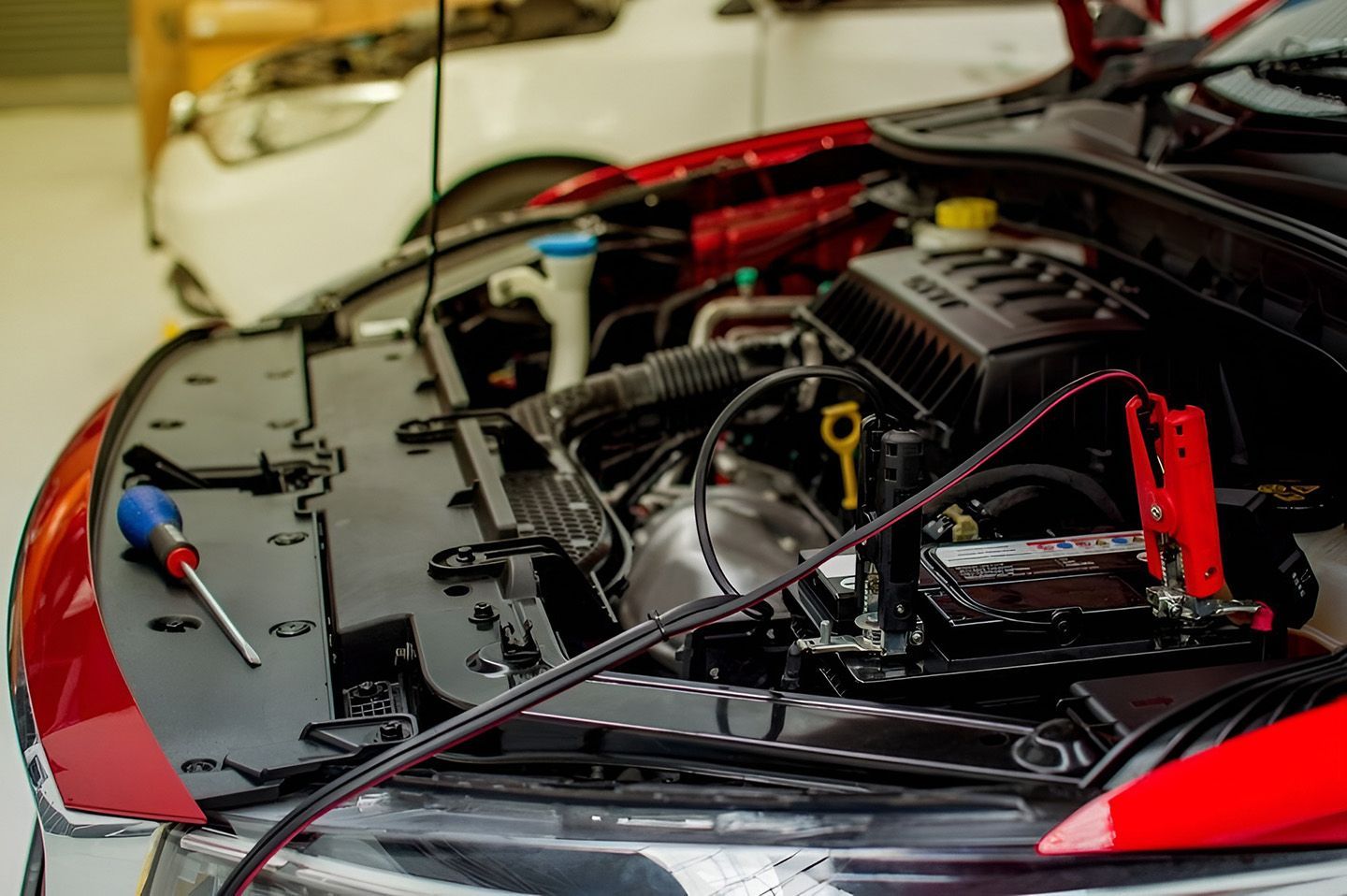
Complete battery failure rarely occurs without earlier indicators. Recognising these signs allows drivers to test or replace a battery before becoming stranded.
Early symptoms may include:
- slow engine cranking
- dim headlights at idle
- dashboard warning lights
- clicking sounds when turning the key
- electrical accessories operating inconsistently
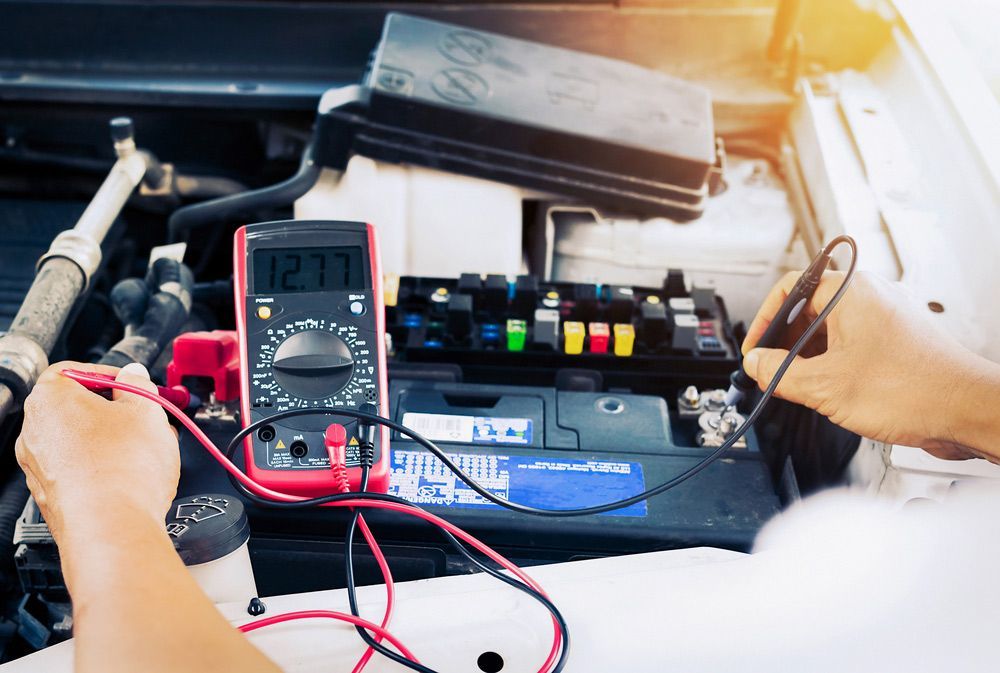
Battery testing services can measure voltage and overall condition. Identifying reduced capacity early supports planned
replacement rather than emergency assistance.
Choosing the right battery matters in coastal climates.
Not all batteries are identical. Factors such as vehicle type, electrical load and environmental conditions influence which model is appropriate.
Higher reserve capacity and corrosion-resistant components may be suitable for vehicles exposed to humidity and salt air. Matching specifications to manufacturer requirements supports compatibility with modern systems.
When considering
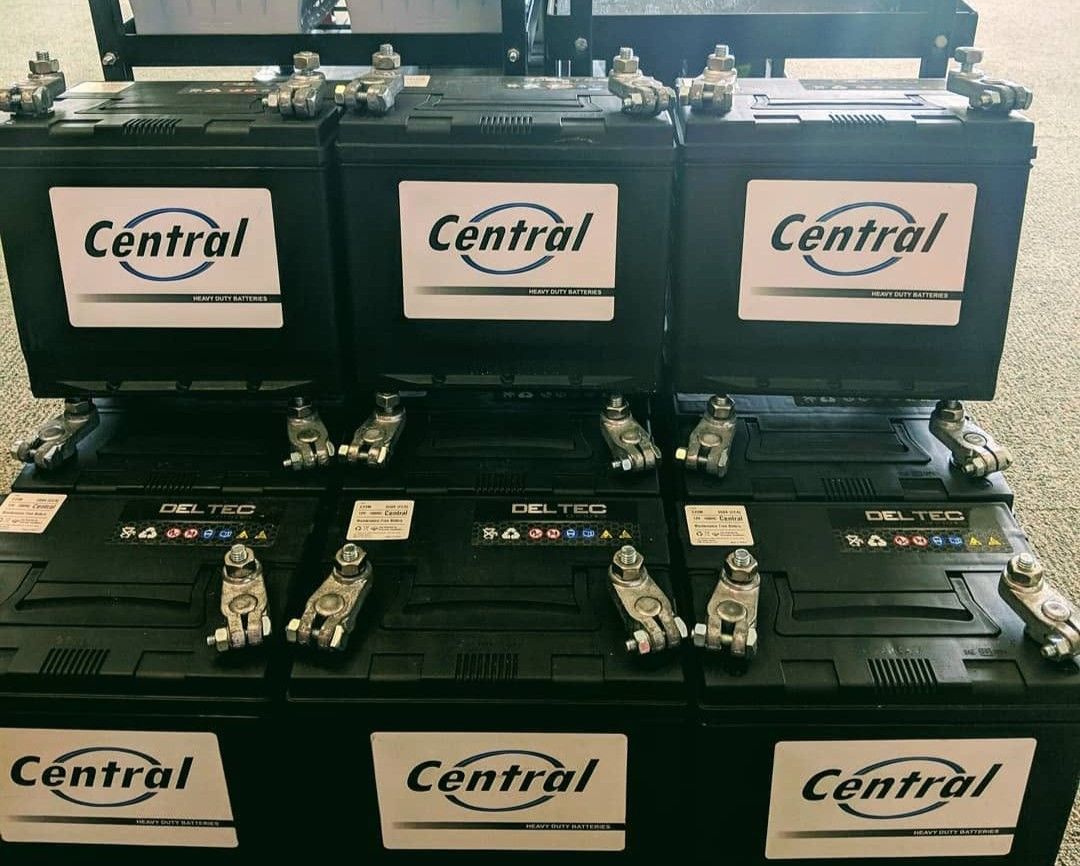
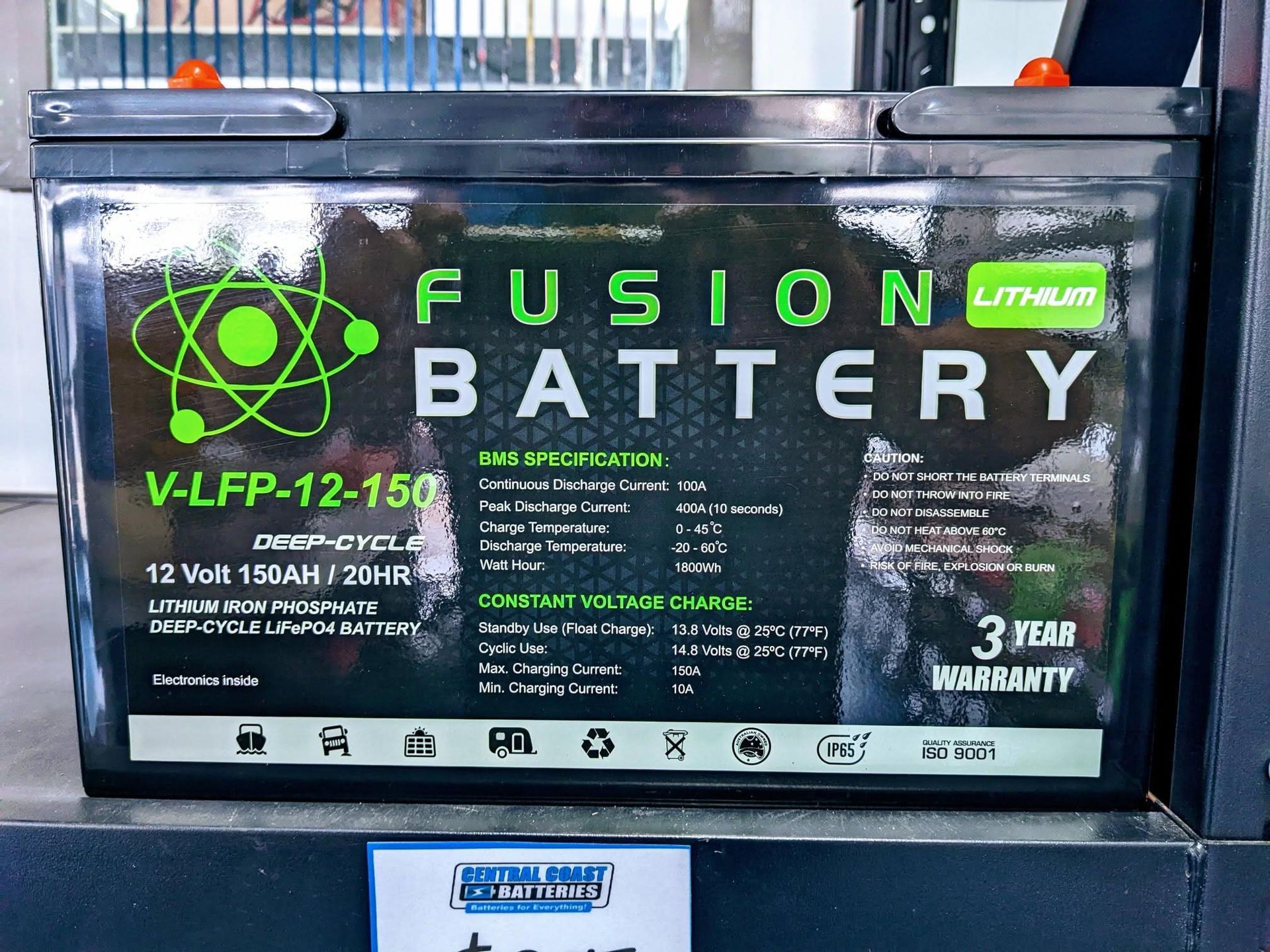
car batteries on the Central Coast, discussing usage patterns and vehicle demands helps determine suitable options. A battery chosen with climate and driving habits in mind may offer more consistent performance over time.
Routine testing and timely replacement reduce unexpected breakdowns.
Battery performance declines gradually, making periodic checks worthwhile. Testing before peak temperature periods or long trips provides useful insight into remaining capacity.
Practical maintenance steps include:
- checking terminal cleanliness
- securing cable connections
- testing voltage annually
- replacing batteries nearing typical lifespan
Timely replacement avoids sudden no-start situations. Planning ahead rather than waiting for failure reduces inconvenience and roadside disruptions.
Drivers on the Central Coast deal with warm temperatures, coastal air and busy traffic patterns that can affect battery performance. Here at
Central Coast Batteries, we supply and install
car batteries on the Central Coast as well as providing
battery testing to help identify wear before it leads to breakdown. Visit our website or
contact us to arrange testing or discuss
replacement options suited to your vehicle and driving habits.